كليد شناسايي خانواده هاي گياهي
+ نوشته شده در چهارشنبه شانزدهم اردیبهشت ۱۳۸۸ ساعت 9:21 توسط jacob
|
بيماريهاي گياهان جنگلي
Forest trees diseases
بلوط
Oak
بيماريهاي برگي:
Foliar diseases
۲- لكه تاولي برگ بلوط:
عامل: Taphrina caerulescens
بلوط آبي (water oak) ، بلوط پستي (post oak)، بلوط قرمز (red oak)، و بلوط زنده (live oak) اغلب توسط اين قارچ آلوده مي شوند. از ميان اينها بلوط آبي (water oak) بيشترين حساسيت را دارد.
علائم: يك برگ آلوده داراي برامدگي هايي در سطح رويي خود است. اين برامدگي ها داراي رنگ سبز روشن تا زيتوني هستند كه بعدا قهوه اي مي شوند. در حالي كه بقيه ي برگ سبز باقي مي ماند. در موارد شديد شدن بيماري برگ ريزي اندكي مشاهده مي شود.
چرخه زندگي:
- زمستان گذراني: در فلس جوانه ها
- در بهار هنگامي كه جوانه ها در حال باز شدن هستند، اسپورها جوانه زده و از طريق روزنه ها وارد برگ مي شوند. وجود دماي معتدل و باران ملايم يا شبنم در خلال باز شدن جوانه ها براي آلودگي ضروري است.
- اين قارچ در فضاي زير روزنه فعاليت مي كند. در اثر اين فعاليت هيپرتوفي ايجاد شده و برامدگي ها ايجاد مي شوند.
- ريسه هاي قارچ در بين سلول هاي ميزبان توليد آسك مي كنند كه پس از بزرگ شدن كوتيكول را پاره مي كنند و بر روي سطح برگ ظاهر مي شوند.
- پس از پاره شدن آسك ، آسكوسپورها آزاد شده و پس از جوانه زني ايجاد آلودگي ثانويه مي كنند.
كنترل:
1- كنترل شيميايي براي ارقام خيلي حساس و ارقام با ارزش: استفاده از قارچ كش هاي حاوي مس در بهار قبل از باز شدن جوانه ها.
Oak Leaf Blister
Fungus – Taphrina caerulescens
Water oak, post oak, red oak and live oak are most often infected with the oak leaf blister fungus. Of these, water oak is the most susceptible.
A leaf infected with the fungus will have a distinct bulge on its upper surface. The surface opposite the bulge has a light green-to-olive, velvety fungal growth. With age this growth becomes dark brown-to-black in color. The raised area on the leaf is first light green but turns brown with age. The remainder of the leaf retains a green color. Little defoliation occurs unless infection is extensive.
The fungus overwinters on bud scales. In the spring as buds begin to open, overwintering fungal spores germinate during favorable weather and infect developing leaves. Mild temperatures and light rain or dew during bud opening are necessary for infection to occur.
Chemical control of oak leaf blister is not often suggested except for very susceptible and valuable trees growing in humid areas. Treat trees that have a history of severe damage from oak leaf blister with a copper-containing fungicide in the spring just before bud opening. Fungicides applied after infection occurs are not effective.


http://harris-tx.tamu.edu/hort/pubs/pubs/oak%20disease.pdf
Pictures
تصاوير
بيماريهاي گياهان جنگلي
Forest trees diseases
بلوط
Oak
بيماريهاي برگي:
Foliar diseases
1-آنتراكنوز
عامل: قارچي از آسكوميست ها.
فرم جنسي : Gnomonia sp.
فرم غیر جنسي: Gloeosporium sp.
اگرچه تمام تمام ارقام بلوط حساس هستند ولي گونه post oak از همه حساس تر است.
علائم: لكه هاي نامنظم كوچكي كه در امتداد حاشيه برگ يا رگبرگ ها قرار مي گيرند. در موارد شديد بيماري ريزش برگ ها ممكن است رخ دهد.
خسارت اين بيماري در شرايطي كه در هنگام متورم شدن جوانه ها و ظهور برگ ها باران ملايم يا شبنم وجود داشته باشد بسيار زياد است.
چرخه بيماري:
- زمستان گذراني: پريتسيوم در برگ هاي ريخته شده.
- در فصل بهار با آزاد شدن آسكوسپور هاي دو سلولي آلودگي برگ ها به صورت نكروزه شدن برگ ها آغاز مي شود.
- سپس بر روي اين لكه هاي نكروز فرم غير جنسي قارچ به صورت آسروول ظاهر مي شود كه داراي كنيدي هاي تك سلولي و شفاف است و فاقد خار يا seta است. اين كنيدي ها آلودگي ثانويه را ايجاد مي كنند.
كنترل:
1- به دليل زمستان گذراني قارچ در برگ هاي ريخته شده ، بهداشت باغي در كنترل بيماري ضروري است.
2- در موارد ضروري استفاده از قارچ كش هاي حافظتي موثر است. سم پاشي بايد در بهار هنگام ظهور برگ ها انجام شود و در صورت نياز به فاصله 7-14 روز تكرار شود.
Anthracnose
Fungus – Gnomonia sp. (teleomorph), Gloeosporium sp. (Anamorph)
All oaks are susceptible; however, post oak appears to be the most vulnerable. Systems of anthracnose include small irregular spots formed along the leaf margin or leaf veins. During periods of severe infection premature defoliation may occur. Anthracnose rarely kills, but trees severely defoliated annually become weakened.
The fungus overwinters in infected leaves. In the spring airborne fungal spores are produced that infect developing leaves. Soon after infection, leaves become necrotic and secondary spore production occurs. This cycle may continue as long as weather conditions favor fungal development. Damage from this disease is most severe when light rain or dew occurs during budbreak and leaf expansion.
Sanitation is necessary in controlling anthracnose since the pathogen survives from year to year in fallen leaves. Rake leaves when they fall rather than waiting for full leaf drop. Destroy leaves from diseased trees or place in a compost pile to undergo heating to kill the fungus. A protective fungicide may be required if damage persists. Apply necessary sprays in the spring during leaf emergence and repeat in 7 to 14 days as needed.


http://harris-tx.tamu.edu/hort/pubs/pubs/oak%20disease.pdf
Pictures
تصاوير
http://www.plantpath.iastate.edu/pdc/files/Image/oakanthracnose2.jpg
http://www.nysaes.cornell.edu/pp/extension/tfabp/santsmf.shtml
Important pests of Alfalfa
آفات مهم یونجه
۳- سرخرطومی تخمدان شبدر
عامل: Apion trifolii
خانواده: Brentidae
مشخصات: 3-2 میلیمتر، تخم مرغی شکل، کاملاً سیاه، نام قدیم: A. aestivum ، خانواده قدیم:Apionidae که الان یک زیر خانواده از خانواده Brentidae است(Apioninae).
خصوصیات: تغذیه از محتویات داخل تخمدان(لارو)، تخمگذاری داخل تخمدان، تعداد تخم داخل هر تخمدان: تا 10 تخم، در ایران 2 نسلی، زمستانگذرانی: حشره کامل.
مبارزه:
به مزارع شبدر بیشتر علاقه دارد: توصیه می شود در کنار مزارع یونجه شبدر نکارند (خیلی آفت مهمی نیست).

خسارت لارو

حشره کامل
تصاویر:
Important pests of Alfalfa
آفات مهم یونجه
۲-سرخرطومي ريشه
عامل: Sitona spp
خانواده: Curculionidae
مشخصات : پوزه اينها كوتاهتر از سرخرطومي برگ است و يك مقدار بزرگتر هستند، بدنشان از پولك پوشيده شده، ۴سن لاروي، شفيره داخل محفظه هاي گلي داخل خاك.
خصوصيات: در مزارع مسن خسارت مي زند، لارو سن يك حتماً بايد از گره هاي تثبيت ازت تغذيه كند، لاروها ريشه خوار، حشرات كامل برگخوار، خسارت اصلي مربوط به لاروها است، زمستانگذراني:انواع لاروها به جز لارو سن يك+حشره كامل، تخمگذاري: به صورت تكي يا دسته هاي كوچك روي طوقه يا در شيارهاي خاك اطراف ريشه، خيلي از جاها يك نسل در سال دارند، خيلي از جاها در كشور ۵/۱ نسل در سال دارند، علائم: مزارع كوتاه هستند و حالت كچلي دارند.
مبارزه:
1) كف بري كامل مزرعه
2) استفاده از شعله افكن
3) زير و رو كردن خاك و كشت دوباره
_001.jpg)


تصاوير:
www.photofarmer.blogfa.com/post-304.aspx
http://flyaqis.mov.vic.gov.au/padil/S_hispidulus.htm
Important pests of Alfalfa
آفات مهم یونجه
1-سرخرطومی برگ
عامل: Hypera postica
خانواده: Curculionidae
مشخصات: 7-5 میلی متر،5 سن لاروی،لارو curculioniform که عمدتاً سبز رنگ هستند از روشن تا تیره که در سطح پشتی بدن یک نوار سفید شفاف وجود دارد ، شاخک زانویی که بند اول آن داخل یک شیار به نام scrobe suture است.
خصوصیات: خسارت در چین اول، مزرعه از دور یک حالت سفیدی پیدا می کند، برگخوار هستند، حشرات کامل ممکن است از پوست ساقه نیز تغذیه کنند، زمستان گذرانی در درجه اول به صورت حشرات کامل و در درجه دوم به صورت تخم ، تخمگذاری: در 10 سانتی متری پایین ساقه شکافی ایجاد کرده و تخم ها را زیر پوست می گذارد، متوسط 10-5 عدد تخم، شفیره از نوع آراد که معمولاً داخل یک پیله تشکیل می شود، پیله های سفید که گرد هستند و روی سطح گیاه قابل مشاهده هستند.
مبارزه:
1) سموم دیازینون، اکتلیک، گزاتیون
2) سموم میکروبی مثلBt (باکتری Bacillus thuringiensis)
3) سموم ضد سنتز کیتین(IGR)
4) هورمون جوانی*
5) بعد از چین آخر: استفاده از شعله افکن
6) چرای آخر فصل
7) دو زنبور پارازیتوئید لارو Bathyplectes curculionis و B. anurus


حشره بالغ

تخم

لارو

پیله

خسارت

Bathyplectes curculionis


Bathyplectes anurus
تصاویر:
http://ipm.uiuc.edu/fieldcrops/insects/alfalfa_weevil/index.html
http://www.agroatlas.spb.ru/pests/Hypera_postica_en.htm
http://www.forestryimages.org/browse/subthumb.cfm?sub=3135&start=1
http://www.nysaes.cornell.edu/ent/biocontrol/parasitoids/bathyplectes.html
Rhizopus Rot of Jackfruit
The plant genus Artocarpus comprises roughly 50species of tropical trees native to the Pacific and
South and Southeast Asia, several of which produce edible
fruit. Jackfruit, Artocarpus heterophyllus, is a popular
garden species prized for its edible flowers, fruit, and
seeds for fresh consumption or cooking. Jackfruit trees
can reach over 60 ft in height and bear fruit that can be 2
feet or more long and weigh as much as 70 pounds.
Rhizopus rot is a common fungal disease of jackfruit
flowers and fruit. Rot is more likely to occur in
high-rainfall areas or during and after stormy periods.
When warm, humid, wet weather coincides with the
flowering and fruiting season, rhizopus rot can cause
total loss of fruit in jackfruit trees.
Symptoms
At first, soft, watery, brown spots develop on the flowers
and fruit. Subsequently, a powdery, fuzzy-looking
mass of black spores and white fungal mycelia covers
the jackfruit surface. The pathogen engulfs the young
fruit, resulting in the characteristic black, rotten,
shrunken, and sometimes mummified fruit remains. Fruit
symptoms can appear on the tree or can develop on fruit
that are in storage or transit.
Cause
Three species of plant-pathogenic fungi of the genus
Rhizopus can cause this disease in the tropics: Rhizopus
oryzae, Rhizopus artocarpi, and Rhizopus stolonifer. No
jackfruit varieties are reported to have significant resistance
to the disease.
Epidemiology
Warm, humid, rainy conditions favor the development
of rhizopus rot. Wind, rain, and insects dislodge and
spread the tiny fungal spores. When deposited on moist
fruit surfaces, the spores germinate and infective mycelia
grow into the tissues. The infection produces a layer
of black spores on the fruit surface to start secondary
cycles of infection and disease. Although wounds can
predispose the fruit to infection, unwounded flowers and
young fruit are also susceptible. Rhizopus can survive
on decaying plant litter or in the soil to initiate new infections.
Management
Prune the tree to encourage good ventilation and to reduce
relative humidity in the canopy. Remove and destroy
diseased fruit from trees and the ground. Clean up
decaying organic debris within and around the tree. Ensure
that water does not pond around the tree’s root zone.
Control weeds around young trees. Intercrop jackfruit
with trees that are not susceptible to infection by Rhizopus.
Keep ripe fruit from contact with the soil or decaying
organic material. Avoid wounding the fruit. Wash
fruit after harvest in clean water and dry thoroughly before
packing or transporting. Do not pack fruit with
symptoms—destroy them. Avoid storing fruit after harvest
in hot, poorly ventilated containers. Where disease
is severe, protect fruit with periodic sprays of copper
fungicides or other products registered for use on jackfruit
in Hawaii.
References
Morton, J. 1987. Jackfruit. In: Fruits of warm climates.
Julia F. Morton, Miami, FL. p. 59–64.
Sangchote, S., J. Wright, and G. Johnson. 2003. Diseases
of breadfruit, jackfruit and related crops. In:
R.C. Ploetz (ed.), Diseases of tropical crops. CABI
Publishing, Wallingford, Oxon, UK. p. 135–145
Scot Nelson
University of Havaii at manoa


health

بیماریهای گیاهی Plant diseases
بيماريهاي گياهان جاليزي cucurbit plants diseases
بيماريهاي مهم سيب زميني Important diseases of potato
بيماريهاي گوجه فرنگي Tomato diseases and disorders
بيماريهاي گياهان زراعي crop plants diseases
پوسيدگي اروينيايي ريشه چغندر قند Sugar beet Erwinia Root Rot
بيماريهاي درختان ميوه Fruit trees diseases
رايزوپوس در خربزه درختي Rhizopus Rot of Jackfruit
بيماريهاي درختان جنگلي Forest trees diseases
آنتراكنوز بلوط Oak Anthracnose
لكه تاولي برگ بلوطOak Leaf Blister
| Sugar Beet (Beta vulgaris) -- Bacterial Vascular Necrosis and Rot (Erwinia Root Rot) |
| Hosts: Sugar beet |
| Cause: This disease is caused by a bacterium, Erwinia carotovora subsp. betavasculorum, present in many native and cultivated soils. This pathogen can survive in some weedy hosts. Portions of the bacterium that causes potato blackleg can be pathogenic to sugar beets. The disease is favored by plant wounding, excessive nitrogen or moisture, and warm temperatures (optimum is 79 to 82° F). The disease occasionally is severe in Idaho. |
| Symptoms: Black streaks may be found on petioles, and crowns may be blackened or produce froth. Vascular bundles are brown, and adjacent tissue turns pink when cut and exposed to air. Rot can become extensive soft or dry rot. |
Cultural control: Most sugar beet varieties have resistance, but losses still can occur.
|
|
http://ipmnet.org/plant-disease/disease.cfm?RecordID=1217
health |
Important pests of sunflower
آفات مهم آفتابگردان
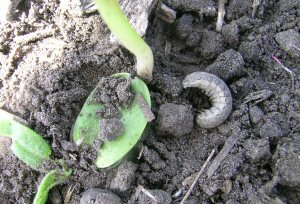
Cutworms
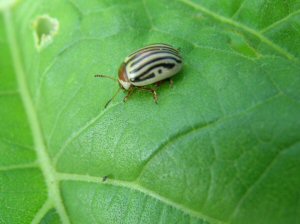
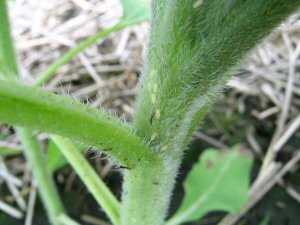
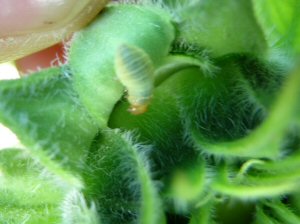
Sunflower Beetle
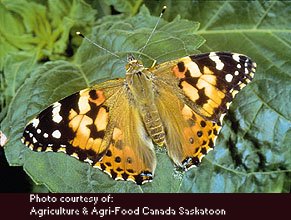
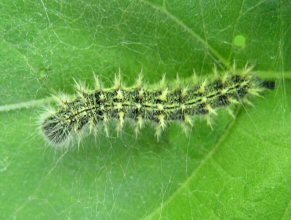
Thistle caterpillar
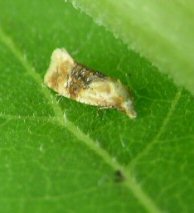
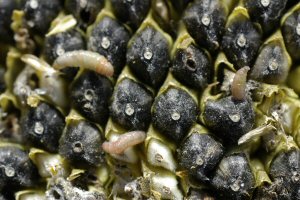
Banded sunflower moth
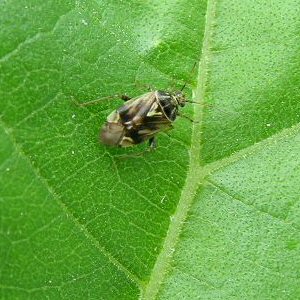
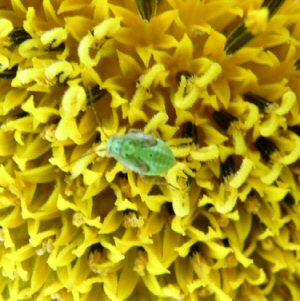
Lygus bugs
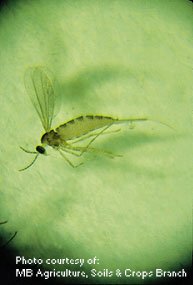
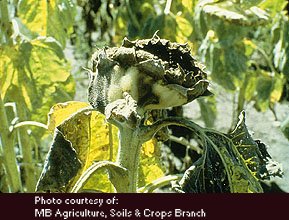
sunflower midge
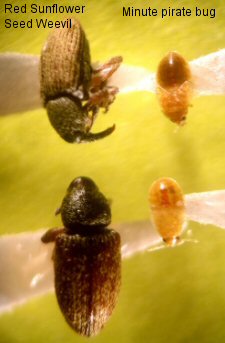
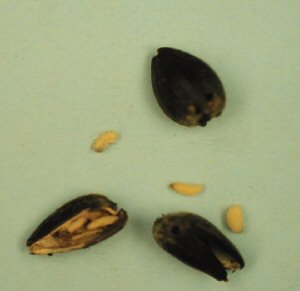
sunflower seed weevils
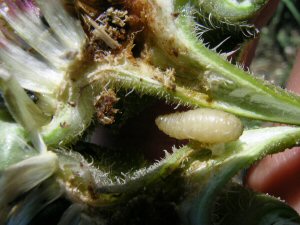
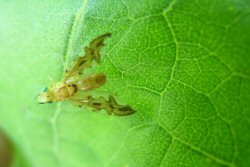
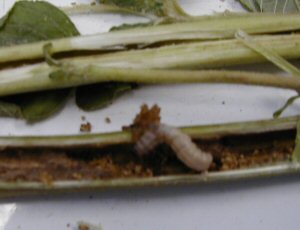
Sunflower Maggots
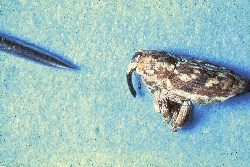
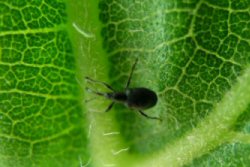
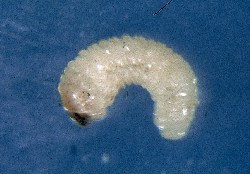
sunflower stem weevils
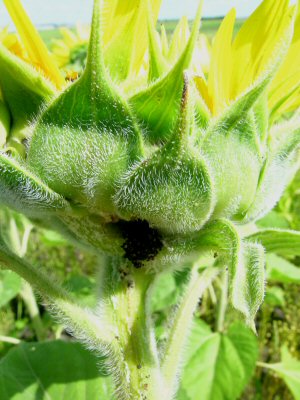
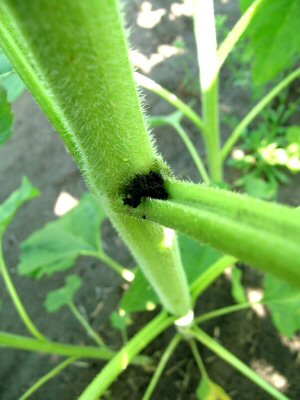
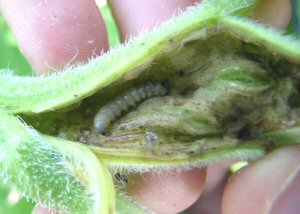
Sunflower bud moth
http://www.gov.mb.ca/agriculture/crops/oilseeds/bgd01s01.html
Sea this page, about sunflower pests and weeds control
صفحه ذیل در مورد کنترل علفهای هرز و آفات مهم آفتابگردان می باشد.
http://www.ent.uga.edu/pmh/Com_Sunflower.pdf
کوچکترین مهندس ژنتیک
The least genetic engineer
Agrobacterium tumefaciens

این باکتری در گیاهان ایجاد گال می کند،بدین صورت که ژن ایجاد کننده تومور( که در پلاسمید آنها(Ti-plasmid) واقع است) را با فرایند بسیار پیچیده ای به درون سلولهای گیاهی منتقل می کنند و در گیاه ایجاد هیپرتروفی و هیپرپلازی می کنند.

سمت چپ: سلول گیاهی Left: Plant cell
سمت راست: باکتری Right:Bacterium
اکنون اگر ما جای ژن ایجادکننده تومور (T-DNA) را با ژن مورد نظرمان عوض کنیم می توانیم از این باکتری در انتقال ژن مورد نظرمان به درون سلولهای گیاهی استفاده کنیم.
now, if we replace tumor making gene with our favorite gene, we can use this bacterium in transfering our favorite gene into the plant cells
http://ipm.ppws.vt.edu/~sforza/prokaryote.html :تصاویر , Pictures
بیماریهای مهم سیب زمینی
بیماریهای باکتریایی
Bacterial diseases
1.Bacterial Ring Rot
عامل: Clavibacter michiganensis

۲.Bacterial Soft Rot
عامل: Erwinia carotovora var. carotovora
و گونه های خاص دیگری از باکتریهای soil-borne و tubr-borne

3.Blackleg
عامل: Erwinia carotovora var. atroseptica

۴.Common Scab
عامل: Streptomyces scabies

۵. Bacterial wilt
عامل: Ralstonia solanacearum


بیماریهای قارچی
۱.Early blight
عامل: Alternaria solani

۲.Fusarium dry rot, seed piece decay, and wilt
عامل: Fusarium spp

۳.Late blight
عامل: Phytophthora infestans

Late blight leaf lesion

Late blight stem lesion

Late Blight tuber lesion
۴.Leak
عامل: Pythium ultimum

۵.Pink Rot
عامل: Phytophthora erythroseptica

۶.Powdery Scab
عامل: Spongospora subterranea

۷.Rhizoctonia stem canker and black scurf
عامل: Rhizoctonia solani

۸.Silver scurf
عامل: Helminthosporium solani

۹.Verticillium wilt
عامل: V. dahliae or V. albo atrum
باعث کاهش عملکرد و کیفیت غده ها می شود
The disease can have a significant impact on the crop by reducing both tuber yield and quality
بیماریهای ویروسی و ویروئیدی
Viral diseases
1.Potato Leafroll Virus

2.Potato Virus Y

3.Potato Mop-Top Virus

Potato mop top virus chevron

Potato mop top virus external tuber symptoms

Potato mop top virus internal tuber symptoms
4.Potato Spindle Tuber Viroid

سمت راست
بیماریهای محیطی
۱.Blackheart

این عارضه از نارسایی اکسیژن در بافت درونی غده ناشی می شود
Blackheart results from an insufficient oxygen supply to internal tuber tissue
۲.Hollow Heart

حفره ای در مکز غده ایجاد می شود که ناشی ازرشد سریع غده است
Hollow heart, a cavity near the centre of the tuber, results from rapid tuber growth
بافتهای یخ زده به محض آب شدن تغییر رنگ داده و به یک توده نرم آبکی تبدیل می شوند
Frozen tissue, upon thawing, discolours and breaks down into a soft watery mass
http://www.gov.mb.ca/agriculture/crops/potatoes/bda04s07(3-4).html
 Author: Jacob Ahmadyosefi


